
Solutions · Stay Ahead of the Shelf
Never run out of the items that make your money.
A small slice of your shelf earns most of your profit. mPower watches those the closest — and reorders them before they hit zero, across every store. Because a stockout on a top earner is real money out the door.
Velocity, on-hand, and days-of-supply together — weighted toward your top earners, so the ones that cost you to run out are on the list first.
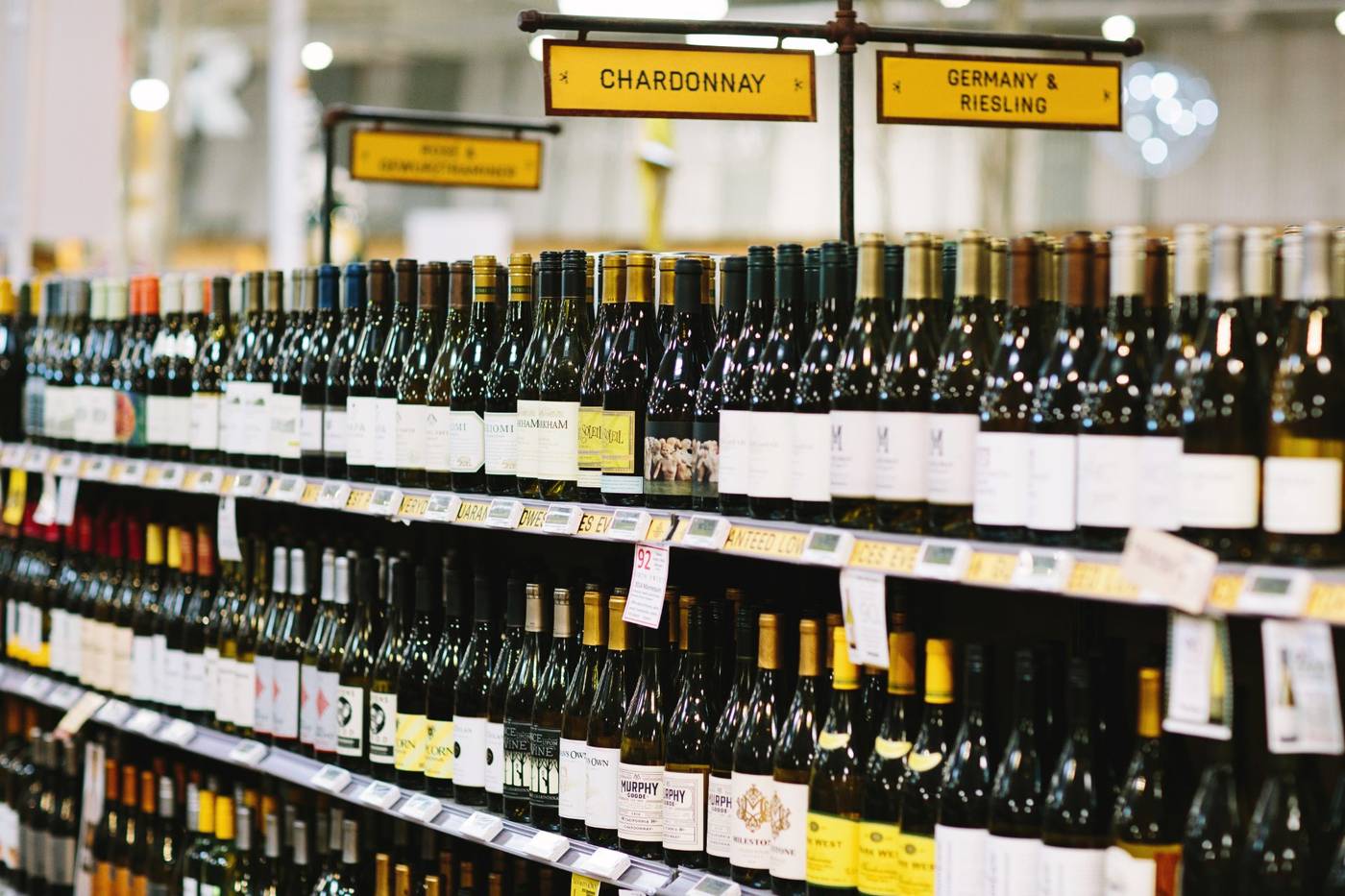
Where shelf gaps and slow stock show up
Staying ahead of the shelf takes more than knowing what’s running low.
A liquor store carries a wide range — fast movers, seasonal items, and long-tail SKUs that have been on the shelf for years. Knowing which to reorder, how much, and when requires looking at velocity alongside on-hand — and checking whether another location already has the stock before placing a new order.
Dead stock doesn’t announce itself either. Items that stopped moving sit quietly, tying up cash while the fast movers get all the attention.
You run the floor. We keep the reorder list current.
What it takes to stay ahead
- Knowing how long current stock will last before it hits zero
- Building a purchase order for multiple vendors without doing it from memory
- Checking whether another store has the stock before ordering new
- Surfacing slow and dead stock before more is ordered
How mPower helps
Your top earners protected first. The cost of waiting, visible.
mPower weights the reorder list toward the items that drive your profit — not just the ones that sell fastest. It shows you the margin dollars at risk while each is below target, checks whether a transfer fills the gap before a new PO goes out, and surfaces the dead stock that’s quietly freezing your cash.
The list is sorted by what an item earns, not just what it moves
Your top earners — the vital few that drive most of your gross profit — float to the top of the reorder list. An item selling 10 cases a month at 40% margin matters more than one moving 12 cases at 22%. The ones that cost the most to run out of are the ones mPower watches closest.
Next to each at-risk item: the margin you stand to lose while it’s out
The “$ At Risk” figure is the gross margin dollars you’re exposed to losing while that item is below its target days-of-supply. It’s the cost of not reordering — not a unit count, not a velocity rank. That number decides which item goes on the order first.
Critical / Warning / Watch — a timeline, not just a low-stock flag
Velocity, on-hand, and forecast days-of-supply together project when each item hits zero. Critical means days — put the order in today. Warning means this week. Watch means it’s on the radar. Not a binary “low” indicator — a projected runway per item, so urgency is clear without guessing.
It checks the network before sending a PO
Before a purchase order goes to a vendor, mPower checks whether another location is sitting on surplus of that item. If there’s a viable transfer, it recommends that first — shorter lead time than a vendor order, and it moves idle stock off the other store’s shelf instead of building more of it.
Dead stock surfaces with the cash it’s freezing — before you order more
Items with no sale in 12 months show up on their own list, alongside the inventory value sitting idle. It’s how you stop reordering items you’ve effectively already written off — and redirect that cash toward the earners instead.
Reorder rules written in plain English — same as everything else
“Never let Tito’s drop below two weeks at any store.” mPower reads the sentence and translates it into the reorder logic — no formulas, no configuration screens. The same plain-English rulebook that runs your pricing and promotions runs your replenishment too.
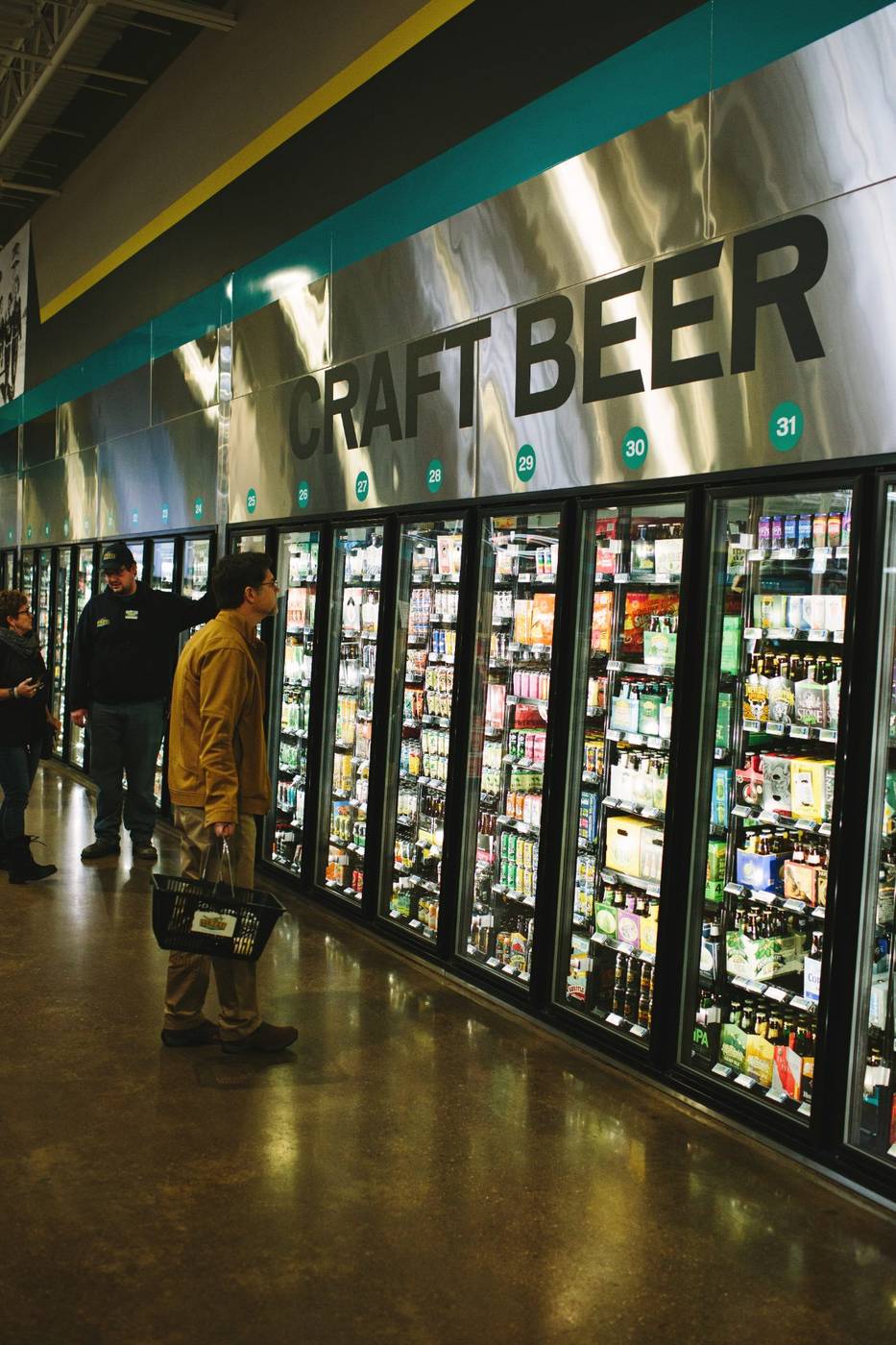
Shared Navigation
Reorder the right items, in the right quantities, at the right time.
Staying ahead of the shelf isn’t just about knowing what’s running low — it’s about knowing what’s worth reordering, how much, and whether another location already has it. mPower keeps those answers current so the decision is quick when it needs to be.
That’s what “shared navigation” means for inventory: a second set of eyes on what’s on the shelf and what should be on the next order.
Proven across the category
Trusted by independent operators across 46 states + DC.
Built only for beer, wine & spirits — how a liquor store orders and receives is already understood.
Keep going
The shelf is one part of the picture.
Related solutions
Focus Where It Pays Off
See where your profit actually concentrates — the vital few items that make most of the money, and the dead weight that doesn’t.
ExploreSet It Once, Trust It Everywhere
Write the rule once, in plain English — it keeps the right stock on the shelf, catches the exceptions, and holds your margins at every store.
ExploreGet Your Week Back
Drop the whole invoice stack — mPower splits it, matches every line to your POs, and catches what’s wrong before you pay.
ExploreRun Every Store Like One
Your stores buy together and cover each other — one purchase request, the leverage of a bigger operator.
ExploreThe product behind it
See reorders that stay
ahead of the shelf.
A consultative walkthrough of mPower’s demand planning tools — with a real person who knows beverage retail.
Schedule a Demo